
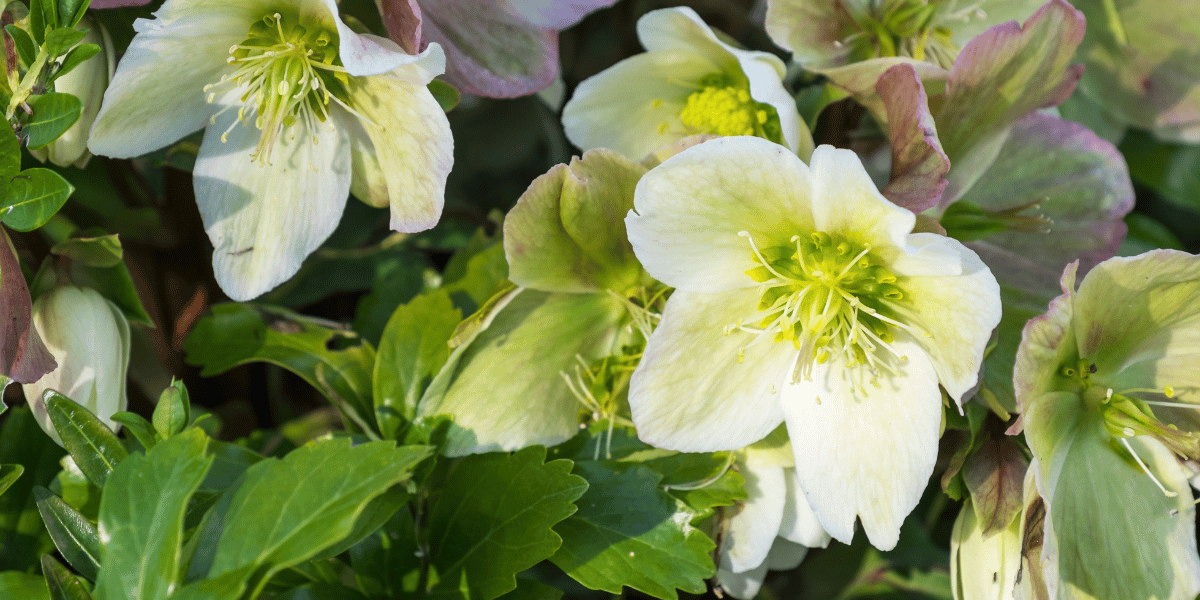
Healthy Habits – Daydreaming
Do you spend time daydreaming?
If so, is it a helpful habit?
Do you let your mind wander to irrelevant things or do unhelpful thoughts take over when you’re not focusing on a specific task?
eDaydreaming can be a really healthy habit as a way for our mind to have a rest from actively focusing all day long. We can start making this a healthy habit by noticing when our mind drifts and actively focusing on our surroundings. If you do this regularly it becomes an unconscious way of switching our mind into a calmer state.
Make time to stop and stare
Paying attention to your environment is a really simple way to remind our body and mind that we are fine and help bring down our baseline anxiety level. It’s daydreaming whilst being present.
Rather than daydreaming whilst worrying about what’s happened in the past or might happen in the future.
7 simple steps
- Notice when you’re doing it, being aware of it happening naturally and spontaneously
- Notice what you’re thinking
- Experiment with shifting your thoughts, start to pay more attention to what you see.
- Take in as much detail as possible, notice what you see, and hear. Try using as many senses as you can.
- You may like to label what you see in your mind verbally. This can be particularly helpful if your thoughts are ‘loud’ and hard to shift your attention away from.
- Notice if there’s any shift in the physical state of your body.
- Try to stay with that feeling for 30 seconds to 1 minute.
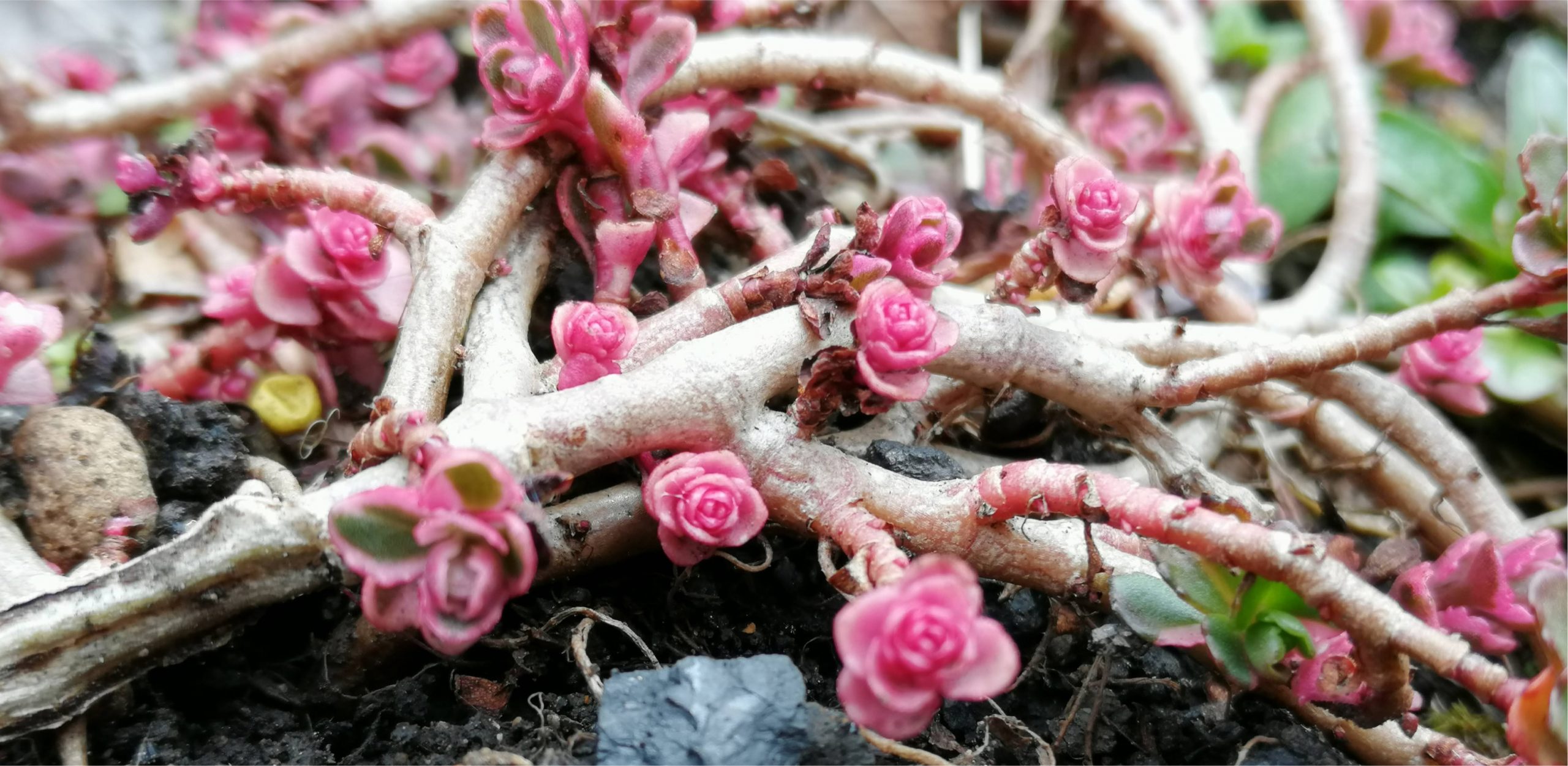
Noticing the small details
To improve this skill, keep practising it regularly.
If you’re able to practise this often when you’re not feeling stressed, your body and mind will begin to remember the calm state that you experience when everything is fine. Your alertness level will start to decrease.
It’s a bit like stepping off the hamster wheel and looking around to realise we don’t have to keep running all the time.
Our body and mind do know how to rest when they’re given the chance to.
Being present
This technique has many names, being in the moment, orientation, or being present. It has been practised as a form of meditation for thousands of years.
It is one of the simple mindfulness tools that we practise on the self-care retreat day.
It’s a healthy habit that doesn’t take any time to do. You’re doing it already. Try the 7 steps above to make it more of an effective technique and a way to allow your system to rest.
Practice v’s application
If you try it when you’re feeling really anxious, you’re asking a lot from your system. Not only are you learning the skill, but you’re also trying to apply it at the same time.
It’s always easier to learn the skill first and then when you’ve practised it a lot, try applying it when you’re feel slightly stressed.
I love to hear how these techniques land for you. Let me know if you try this and how you get on.
Stay connected. Beth x
P.S. I’m not currently offering retreat days. If I do, you’ll hear about them first in my newsletter. You can sign up on this page.

Previous items
Meditation and Mindfulness
Meditation and MindfulnessMore and more people are becoming interested in mindfulness and meditation. I thought I’d share information on the benefits of a mindful practice and how to build a regular practice into your daily life. In yoga, we have three different...

Dosa
Āyurveda - Know your Doṣa What character traits match your personality and physical appearance? In Āyurveda medicine different physical and personality traits are classified into three doṣa, linked with five elements. Vāta (air and space) Pitta (fire and water) Kapha...

Decision Fatigue
Are you tired of making decisions?Do you procrastinate over making a decision so much that you just end up giving up and not doing anything? This topic came up in the habits workshop I led last weekend. A lot of the participants felt procrastination was a bad habit...
 Skip to content